About Us
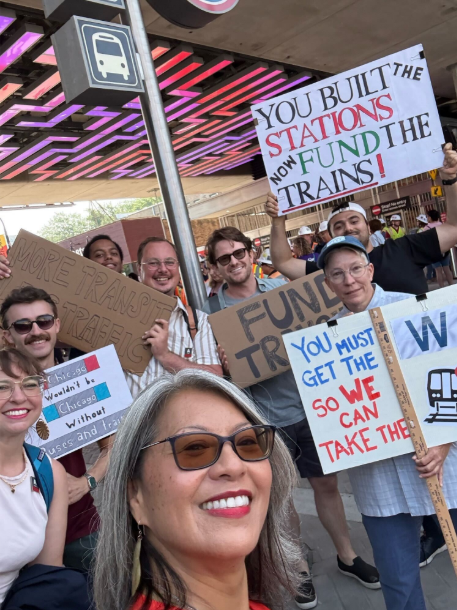
We’re a grassroots group of neighbors who kept running into each other at ward meetings, abundant housing meetups, Red & Purple Modernization events, and every urbanist gathering in between. Over time, we realized we shared the same vision for Edgewater and Uptown—and that our neighborhoods deserved a group big enough and coordinated enough to turn that vision into action.
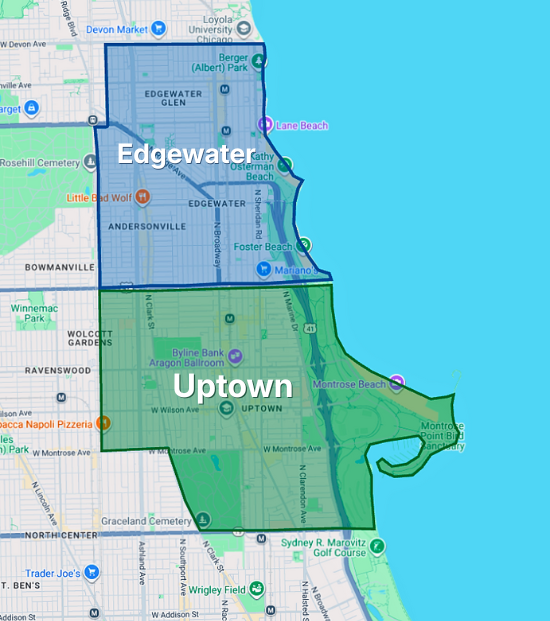
So in March 2025, a small group of founders came together to build something new: a community-wide block club that spans both Edgewater and Uptown. These two areas share history, transit, density, and energy, and we believe organizing across this shared fabric makes us stronger. Our goal is to bridge the gap between city and state-level advocacy groups and the hyper-local voices of block clubs, chambers of commerce, and our alders.
About Us
We’re a grassroots group of neighbors who kept running into each other at ward meetings, abundant housing meetups, Red & Purple Modernization events, and every urbanist gathering in between. Over time, we realized we shared the same vision for Edgewater and Uptown—and that our neighborhoods deserved a group big enough and coordinated enough to turn that vision into action.
So in March 2025, a small group of founders came together to build something new: a community-wide block club that spans both Edgewater and Uptown. These two areas share history, transit, density, and energy, and we believe organizing across this shared fabric makes us stronger. Our goal is to bridge the gap between city and state-level advocacy groups and the hyper-local voices of block clubs, chambers of commerce, and our alders.
Creating community, empowering everyone and acting as a resource for the Edgewater and Uptown Community Area neighbors.
Our Strategy
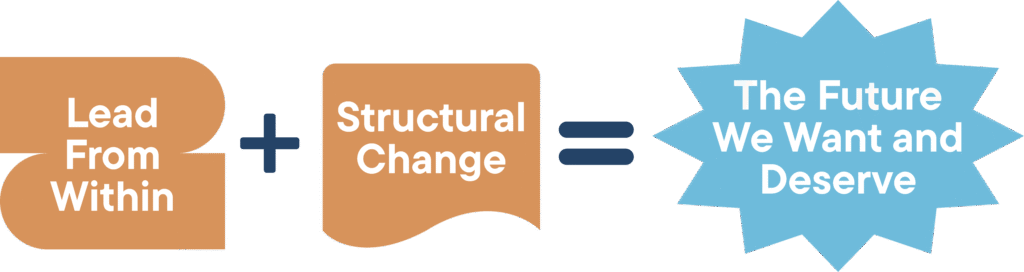
Lead From Within
We show up in the rooms where neighborhood decisions actually happen — block clubs, chambers of commerce, ward meetings, zoning discussions. By participating directly, we build trust, strengthen relationships, and make sure pro-housing and pro-transit voices are consistently present at the local level.
Structural Change
Local support only goes so far without systems that back it up. We work with alders, state legislators, and citywide advocacy groups to push for broader reforms: zoning that allows more homes near transit, stable transit funding, safer streets, and policies that support vibrant, walkable neighborhoods.
Our Future
By combining everyday community involvement with meaningful policy change, we can create a Far North Side where people can afford to stay, move easily, support local businesses, and feel connected to their neighbors. This is the future we’re building toward — together.


Why Community Areas?
Chicago’s 77 community areas were created in the 1920s as fixed geographic zones for planning and long-term data analysis. Unlike neighborhoods, which shift and overlap, community areas stay the same, making them a reliable framework for understanding long-term trends and planning.
Originally, Edgewater was part of Uptown when community areas were first drawn. It wasn’t until 1980 that Edgewater officially became its own 77th community area. Despite that split, the two areas still function as one connected urban environment:
- Linked commercial corridors (Broadway, Sheridan, Clark)
- Shared Red Line stations and bus routes
- Similar density, architecture, and housing patterns
- Overlapping cultural institutions and services
- Residents who move seamlessly between both